
Canine Rehab Boosts Dog Health in New York
Paws in Action: Elevate Your Dog's Health with Canine Rehab in New York!
Canine Rehab has emerged as a transformative service for dog owners in New York and beyond, combining advanced techniques with a compassionate approach to enhance canine health and mobility. Ranging from agility improvement to post-surgical recovery, these well-rounded therapies are essential for those eager to promote their dogs' overall well-being.
What is Canine Rehabilitation?
Canine rehabilitation borrows techniques from human physical therapy to offer tailored care for dogs in need. This specialized field addresses various musculoskeletal and neurological issues through a series of exercises, massages, and even aquatic therapies. By focusing on enhancing function and mobility, veterinary professionals can improve quality of life for dogs struggling with pain, injury, or chronic conditions.
Why Your Dog Might Need Rehabilitation
In the bustling environment of New York City, our furry friends often face unique challenges that may require special attention. Common indicators that your dog might benefit from rehabilitation include limping, difficulty in rising from a resting position, or signs of discomfort during daily activities. Additionally, dogs recovering from surgery or those diagnosed with conditions like arthritis can see significant improvements from these therapies. Offering timely intervention can prevent deterioration and improve long-term outcomes.
The Advantages of Professional Care
Partnering with professional veterinary centers, such as Gotham Veterinary Center, ensures that your pet receives top-tier care tailored to their specific needs. With expert evaluation, each rehabilitation plan is customized, encompassing a balance of techniques designed to maximize recovery while emphasizing comfort and safety. This personalized approach helps set the stage for faster healing and a happier pet.
Tailored Exercise Programs
Each dog's rehabilitation journey includes uniquely tailored exercise regimens designed to target affected muscles and joints. Using a mix of strengthening exercises, stretching, and endurance activities, these programs aim to restore full functionality and vitality. Not only do these exercises help in recovery, but they also play an integral role in preventing future injuries.
Aquatic Therapy
Aquatic therapy is a standout in canine rehab due to its low-impact nature. This method allows dogs to engage in muscle-strengthening exercises without the risk of stress-related injuries. The buoyancy of the water supports the dog’s weight, providing resistance to build strength while minimizing pressure on joints. Ideal for older dogs and those recovering from surgery, these sessions offer a gentle yet effective option for musculoskeletal rehabilitation.
Proactive Measures for Owners
Owners play a crucial role in a dog's rehabilitation journey. Implementing simple yet effective measures at home can significantly support the professional work done at the clinic. Creating a safe environment, monitoring weight, and ensuring a balanced diet are foundational elements that can accelerate recovery and sustain health improvements.
Create a Safe Space
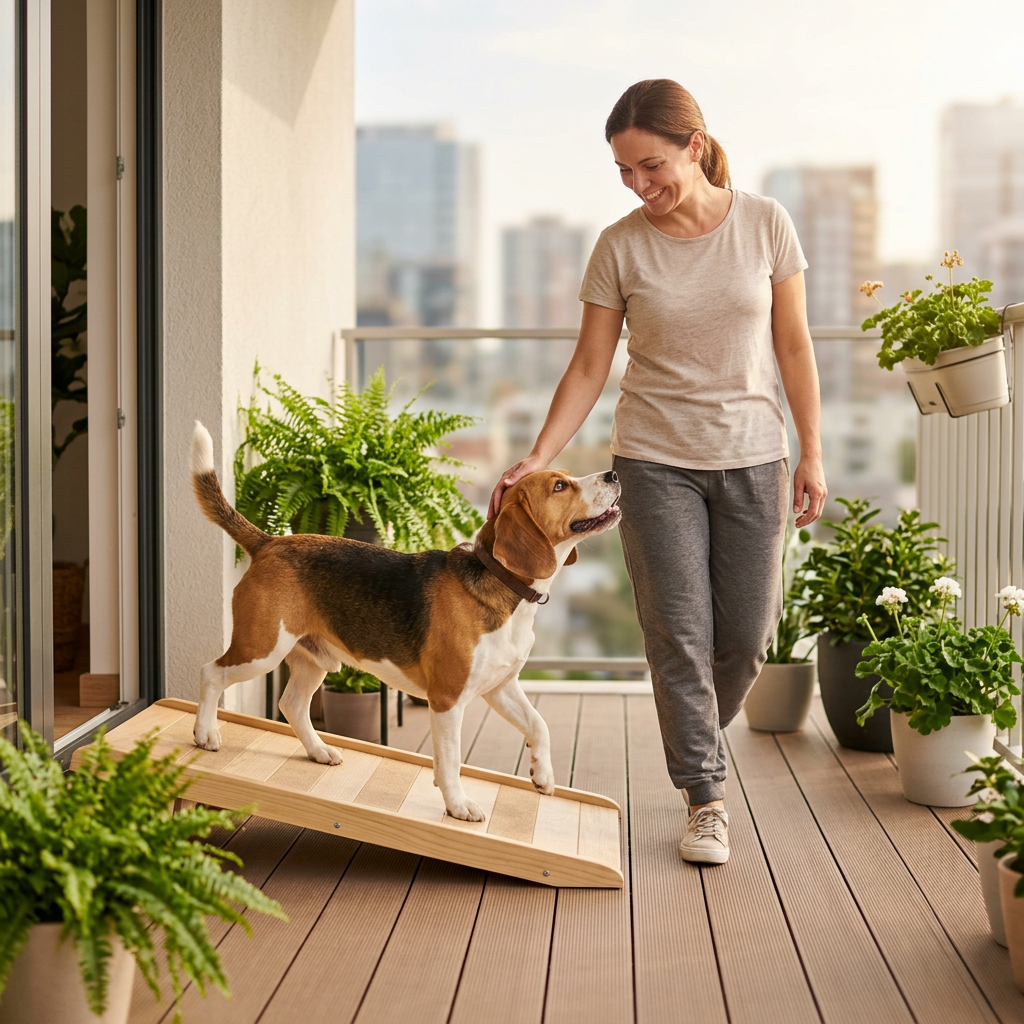
Ensuring that your living space is safe for post-rehabilitation activity entails removing obstacles and providing non-slippery flooring. Using ramps for high beds or couches can minimize the risk of falls, allowing your dog to navigate spaces more comfortably during recovery.
Monitor Nutrition and Weight
Maintaining a healthy weight is crucial for joint health and overall wellness. Unnecessary weight can put a strain on the musculoskeletal system, especially during recovery. Consulting with your veterinarian about an optimal diet that incorporates the right balance of nutrients is key to supporting your dog’s recovery and ongoing health.
Engage in Gentle Exercise
Once prescribed by a vet, engaging your dog in gentle exercises can help strengthen their muscles and improve mobility. Short walks or controlled play sessions are often recommended. Make sure to pay close attention to your dog's responses, adjusting activities accordingly to prevent overexertion.
Regular Follow-up and Support
Regular check-ins with your rehabilitation provider are essential to track progress and adapt therapy plans as needed. Discussing any concerns or noticeable changes with your veterinarian helps fine-tune therapeutic interventions, ensuring they remain effective and aligned with your pet's needs.
Embrace the Path to Recovery
Committing to a rehabilitation program necessitates dedication and patience, yet the rewards are invaluable. The physical and emotional benefits of rehabilitation not only encourage healing but also promise enhanced quality of life for our canine companions. As New York's go-to resource for dog owners keen on optimizing pet health, Gotham Veterinary Center is dedicated to guiding you and your dog through every step of the journey.